



Rejection sensitive dysphoria (RSD) is a condition where a person experiences extreme emotional pain in response to perceived rejection or failure. It is closely linked to ADHD and is thought to be caused by differences in brain structure that affect emotional regulation, making reactions to rejection far more intense than usual.
Understanding Rejection Sensitive Dysphoria (RSD)
Rejection sensitive dysphoria (RSD) describes an extreme emotional reaction to real or perceived rejection. The term “dysphoria” comes from ancient Greek and refers to a deep sense of emotional distress or discomfort. While RSD is not an official diagnosis or formal symptom, it is widely used by experts to describe a pattern commonly linked to conditions such as ADHD.
Most people dislike rejection, but RSD involves far more intense emotional pain that can be difficult to regulate. Individuals with RSD may perceive neutral or unclear interactions as rejection and often struggle to control their emotional responses when this happens.
Rejection Sensitivity vs Rejection Sensitive Dysphoria: What’s the Difference?

Rejection sensitivity and rejection sensitive dysphoria (RSD) are closely related, but they are not the same. The key difference lies in the intensity of the emotional response, which is best understood by first looking at emotional dysregulation.
What is emotional dysregulation?
The brain relies on complex connections between different regions to manage emotions, memories, and sensory input. Over time, these systems usually learn how to regulate emotional signals, keeping them at manageable levels — similar to a TV volume control that keeps sound comfortable.
Emotional dysregulation occurs when this system doesn’t work properly. Emotions become too intense, as if the volume is turned up too high and can’t be lowered. This can leave a person feeling overwhelmed, distressed, or even emotionally pained.
Emotional dysregulation is common in conditions that affect brain structure or information processing, including mood disorders, personality disorders, and ADHD.
How emotional dysregulation relates to rejection sensitivity and RSD
Both rejection sensitivity and RSD involve emotional dysregulation. People with rejection sensitivity may:
- Feel intense anxiety or negative emotions when they expect rejection
- Interpret neutral or unclear interactions as rejection
- React strongly to perceived rejection with anger, sadness, or anxiety
RSD includes all of these features but goes a step further. The defining difference is dysphoria — an intense, often overwhelming emotional pain triggered by real or perceived rejection. This level of emotional pain is what sets RSD apart from rejection sensitivity.
Signs and Underlying Causes of Rejection Sensitive Dysphoria (RSD)
What are the symptoms of rejection sensitive dysphoria?
The core symptom of rejection sensitive dysphoria (RSD) is extreme emotional pain triggered by real or perceived rejection or disapproval. This pain can be difficult to explain, as many people with RSD describe it as overwhelming and unlike typical emotional distress.
Common traits and behaviors associated with RSD include:
- Becoming easily embarrassed or intensely self-conscious
- Experiencing low self-esteem and difficulty believing in oneself
- Struggling to regulate emotions after feeling rejected, especially in children and teenagers, which may appear as sudden anger, rage, or tearfulness
- Turning emotions inward rather than expressing them outwardly, sometimes leading to sudden episodes of severe low mood that can be mistaken for bipolar disorder or borderline personality disorder
- Being highly focused on pleasing others and avoiding criticism or disapproval
- Avoiding tasks, goals, or projects where failure feels possible
- Overcompensating through perfectionism or excessive effort, often at the cost of high anxiety, burnout, and neglect of rest or self-care
These symptoms are driven by difficulties with emotional regulation, which cause rejection-related feelings to feel far more intense and harder to manage than usual.
Who Is Affected by Rejection Sensitive Dysphoria (RSD)?
Research on how common rejection sensitive dysphoria (RSD) is and who it affects is still limited. However, it is most frequently associated with people who have ADHD, where difficulties with emotional regulation are common.
RSD has also been linked to certain mood and personality disorders, although the evidence is not yet clear. More research is needed to fully understand how many people experience RSD and which groups are most affected.
What Causes Rejection Sensitive Dysphoria (RSD)?
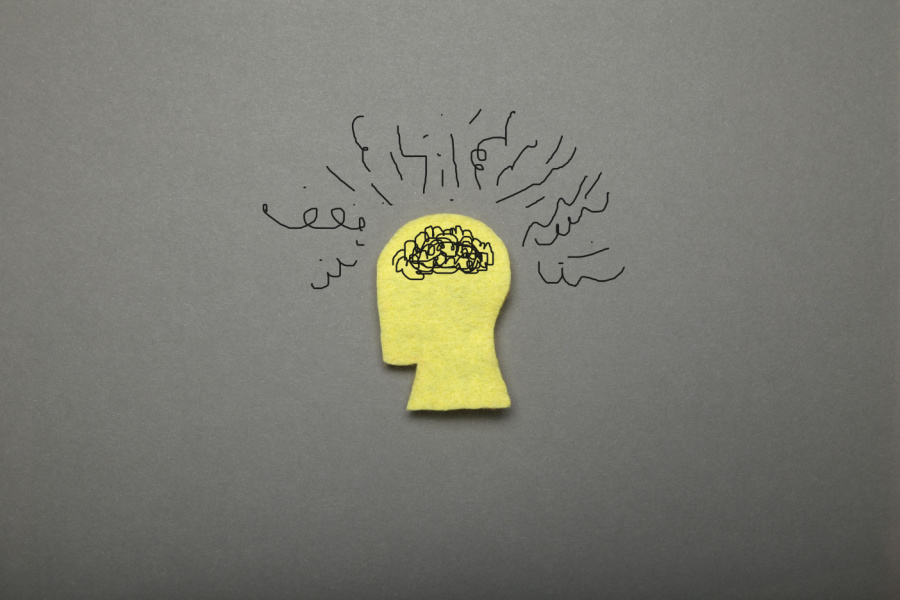
The exact cause of rejection sensitive dysphoria (RSD) isn’t fully understood, but experts believe it is closely related to how the brain is structured and how it regulates emotional signals. For this reason, RSD is often considered to stem from the same underlying mechanisms as ADHD.
Research shows that social rejection — even when it is subtle or uncertain — activates the same brain regions involved in physical pain. In people with ADHD, the brain does not regulate internal communication as efficiently. The areas responsible for filtering and moderating signals are less active, meaning emotional responses can feel unfiltered and overwhelming.
This reduced regulation helps explain why people with ADHD often feel overstimulated by loud noises, bright lights, or sudden changes in their environment. In a similar way, the brain may struggle to regulate pain-like emotional signals, making rejection feel unusually intense and deeply distressing for someone with RSD.
Genetic links
ADHD has a strong genetic component and often runs in families. Because RSD is closely associated with ADHD, experts believe it may also have a genetic basis, increasing the likelihood of RSD occurring in individuals with a family history of ADHD.
Diagnosis and Assessment of Rejection Sensitive Dysphoria (RSD)
Rejection sensitive dysphoria (RSD) does not have a formal medical diagnosis, as it is not officially recognised as a standalone condition and research on it is still limited. Because of this, many healthcare professionals may have little training or experience in identifying it.
Instead of a formal diagnosis, RSD is usually identified based on the symptoms a person reports, particularly intense emotional pain linked to rejection, alongside the presence of related conditions such as ADHD. In some cases, RSD may go unrecognised because clinicians are unfamiliar with the term or misattribute the symptoms to other mood or personality disorders.
Management and Support for Rejection Sensitive Dysphoria (RSD)
How is rejection sensitive dysphoria managed, and is there a cure?
There is currently no cure for rejection sensitive dysphoria (RSD), and much about it is still not fully understood. However, many people find that their symptoms can be managed effectively with the right combination of support. Treatment often involves using more than one approach at the same time, tailored to the individual’s needs.
Medication
Medication is commonly used to help manage RSD, particularly when it occurs alongside ADHD or related conditions. Treating these underlying conditions can reduce RSD symptoms because they involve the same brain systems responsible for emotional regulation.
As RSD is not an officially recognised diagnosis in the UK, there are no medications specifically licensed to treat it. Instead, clinicians may prescribe medicines “off label” when there is evidence they may help and when the benefits outweigh the risks. This is a standard and lawful practice within the NHS and private healthcare.
Medications that may be considered include:
- Alpha-2 receptor agonists, such as clonidine or guanfacine, which can help improve emotional regulation by supporting brain areas involved in filtering emotional responses
- Stimulant medications, commonly prescribed for ADHD, which increase levels of certain brain chemicals involved in focus, impulse control, and emotional regulation
- Other medications used for mood disorders, which may help some people, though these are typically prescribed with caution and specialist oversight
Any medication should be discussed carefully with a qualified healthcare professional, taking into account existing conditions, other treatments, and potential side effects.
Psychological therapy
Psychological therapies can be highly beneficial for people with RSD. While therapy does not eliminate RSD itself, it can help individuals understand their emotional responses, develop coping strategies, and reduce how overwhelming rejection-related feelings become.
Therapies such as cognitive behavioural therapy (CBT), emotional regulation strategies, and ADHD-informed counselling can help people feel more in control of their reactions and improve overall emotional wellbeing.
Self-Care and Day-to-Day Management of RSD Symptoms
If you think you may be experiencing rejection sensitive dysphoria (RSD), it’s important to speak with a healthcare professional. This often involves being assessed for related conditions such as ADHD and, where appropriate, working with a mental health specialist.
While some people are able to develop coping strategies on their own, managing RSD without support can be challenging. This is because RSD is linked to how the brain processes and regulates emotional responses, rather than simply thought patterns or habits.
RSD also commonly occurs alongside other mental health difficulties, such as anxiety or depression. For many people, effective management involves a combination of professional support, such as medication and psychological therapy. A qualified clinician can help recommend suitable treatment options and guide you in developing practical strategies to better manage emotional reactions and improve everyday wellbeing.
When Can You Expect to See Improvement?
How quickly you notice improvements with rejection sensitive dysphoria (RSD) depends on the type of support and treatment you receive. Some people experience symptom relief relatively quickly with medication, while others notice more gradual changes over time.
Psychological therapy often plays a key role in long-term management, as it helps build skills to understand and regulate emotional responses. However, this process takes time and consistency.
Everyone’s brain is different, and conditions such as ADHD and RSD can affect people in unique ways. Because of this, the timeline for improvement varies from person to person. A healthcare professional can give more personalised guidance on what progress may look like for you and suggest additional steps to support your recovery and emotional wellbeing.
Living With Rejection Sensitive Dysphoria (RSD)

Caring for Yourself
If you suspect you have RSD, the first step is to speak with a healthcare professional experienced in ADHD and related conditions. They can help identify whether RSD is a factor and guide you on treatment options and coping strategies.
Other ways to manage RSD in daily life include:
- Medication: If prescribed, taking medication consistently can help regulate emotional responses and make RSD easier to manage.
- Therapy: Working with a therapist you trust is key. Therapy helps you develop strategies to manage emotional reactions, rethink thought patterns, and reduce the impact of RSD on your life.
- Prioritise self-care: Stress and anxiety can intensify RSD symptoms. Regular rest, mindfulness, and other self-care practices can help you feel more balanced.
- Practice self-compassion: Everyone experiences rejection or failure at times. Learning to acknowledge and process these feelings calmly can prevent emotional reactions you may later regret.
Supporting a Child with RSD
Children with ADHD are more likely to experience RSD. If you suspect your child is affected, you can support them by:
- Consulting a healthcare professional: Early assessment and support can make a significant difference in managing RSD symptoms.
- Understanding the condition: RSD arises from how the brain processes emotions. Recognising this helps you respond with empathy rather than frustration.
- Being patient: Children with ADHD face real challenges, and repeated criticism can worsen RSD. Encouragement and understanding are far more helpful.
- Building resilience: Teaching children how to cope with setbacks and recover from rejection helps them manage RSD in healthy ways.
Living with RSD can be challenging, but with the right combination of professional support, self-care, and coping strategies, both adults and children can learn to manage their emotions and lead fulfilling, balanced lives.

.svg)


