


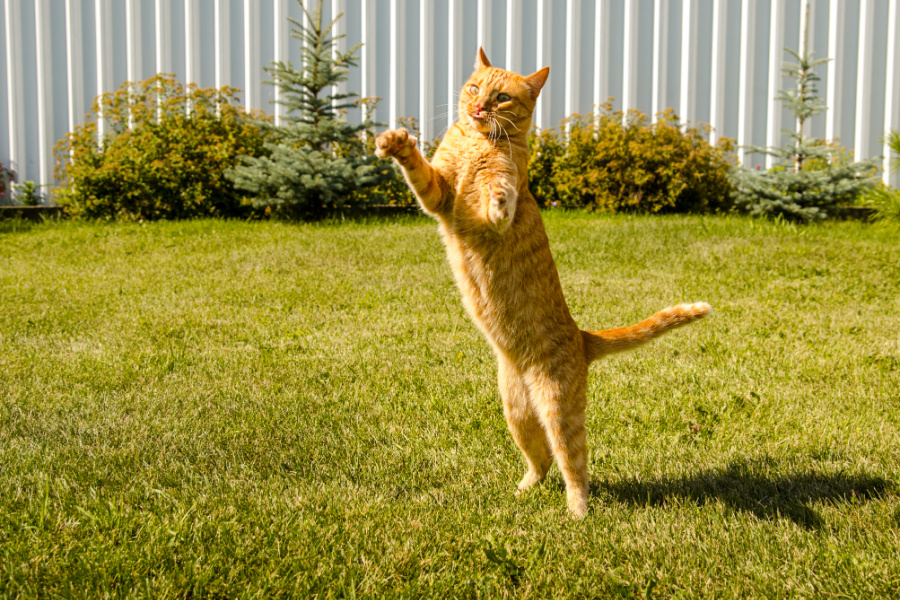
If your cat shows sudden bursts of energy, short attention spans, or impulsive behavior, you might wonder about feline ADHD. While not an officially recognized veterinary diagnosis, some cats display behaviors reminiscent of ADHD. This guide helps owners distinguish between normal cat quirks, feline hyperesthesia syndrome (FHS), and potential signs of underlying behavioral issues.
What Is ADHD in Cats?
Cats, particularly kittens, are naturally energetic, curious, and playful. Their high activity levels and short attention spans can sometimes resemble ADHD-like behavior. However, it’s important to note that labeling these behaviors as ADHD oversimplifies feline personality traits. Other factors, including environment, breed, or underlying medical conditions, can influence a cat’s behavior.
ADHD-Like Behaviors in Cats
ADHD in humans is a well-documented neurodevelopmental condition characterized by inattention, impulsivity, and hyperactivity. Applying this diagnosis to cats requires caution, as veterinary medicine does not formally recognize it. Still, some cats exhibit behaviors similar to ADHD, including:
- Restlessness and high energy
- Difficulty focusing or being easily distracted
- Impulsive or unpredictable actions
These traits may be harmless, but in some cases, they can indicate underlying stress, anxiety, or medical issues.
Recognizing Signs in Your Cat
Hyperactivity and Restlessness
Excessive movement, constant play, or difficulty settling down may signal hyperactive tendencies. Occasional bursts of energy are normal, but persistent hyperactivity affecting sleep, eating, or causing destructive behavior warrants veterinary advice.
Lack of Focus and Distractibility
While cats are naturally curious, a cat that frequently loses interest in toys, struggles to engage, or is easily distracted may need attention. Observe whether inattention interferes with daily routines.
Impulsivity and Inconsistent Behavior
Impulsive behaviors—like sudden scratching, biting, or risky jumps—paired with unpredictable routines, changes in appetite, or litter box habits, may signal underlying issues. Factors such as stress, anxiety, or medical conditions should always be considered.
Diagnosing ADHD-Like Behavior in Cats
.jpg)
Veterinary Consultation
If you notice ADHD-like behaviors, a veterinarian is your first step. They will rule out medical causes such as hyperthyroidism, FHS, or anxiety through physical exams, blood work, and urine tests.
Behavioral Assessments
If no medical issues are found, a certified animal behaviorist may evaluate your cat’s behavior in their home environment, observing routines, interactions, and responses to stimuli. They can provide guidance on managing hyperactivity, impulsivity, and inattention.
Managing Hyperactive Behavior in Cats
Environmental Enrichment
Providing stimulating toys, vertical spaces, and interactive playtime helps channel energy positively. Puzzle feeders, climbing shelves, and window perches keep cats engaged and reduce boredom-related behaviors.
Diet and Nutrition
A balanced diet appropriate for your cat’s age, breed, and activity level supports overall health and can help regulate energy levels. Avoid overfeeding treats, table scraps, or foods that may trigger sensitivities.
Training and Consistency
Cats can respond well to positive reinforcement. Reward desired behaviors with treats, praise, or gentle petting, and redirect unwanted actions to appropriate alternatives. Avoid punishment, which can increase anxiety or aggression.
Conclusion: Supporting Your Cat’s Behavioral Health
While feline ADHD is not a formally recognized condition, many cats display hyperactive, impulsive, or inattentive behaviors. Recognizing the signs, seeking veterinary advice, and using environmental, dietary, and training strategies can help manage these behaviors effectively.
If your cat shows persistent hyperactivity, distractibility, or impulsivity, consult a veterinarian or certified behaviorist to provide tailored care. With the right support, your cat can lead a happy, healthy, and balanced life.

.svg)


