


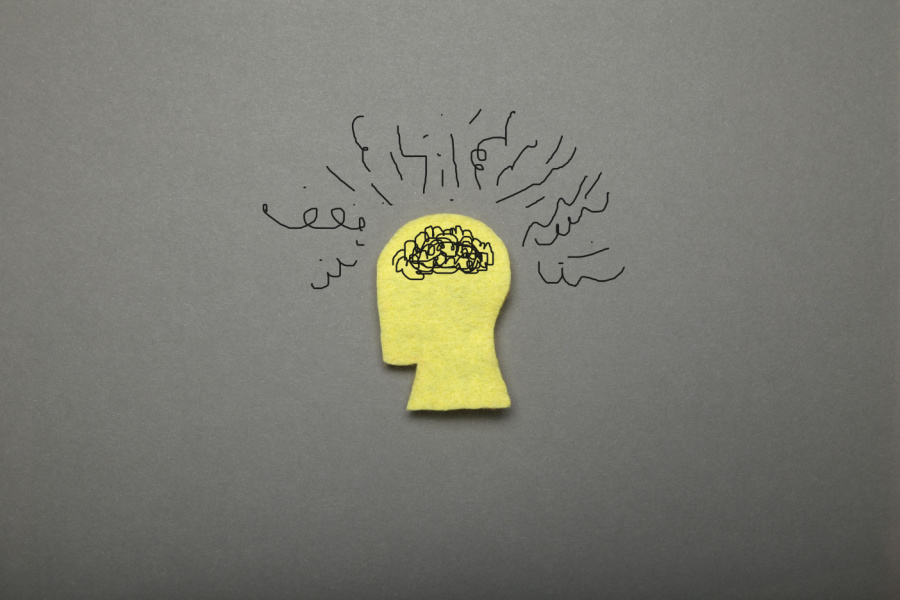
People with ADHD and/or Autism develop in a different way to those who are neurotypical. ADHD and Autism are neurodevelopmental conditions, which means they exist from birth and throughout an individual's life. The traits shared from these conditions can have a significant impact on one's life, often affecting academics, relationships and professional life. There are many differences between Autism and ADHD, but common traits often overlap. Social Issues, Hyperfocus and Attention Difficulties are just some of the shared characteristics between the two. In addition to the shared signs and symptoms, both ADHD and autism are frequently passed down from parent to child.
Listed below are some of the main shared experiences between ADHD and Autism:
Executive Function Challenges
Many people with ADHD experience difficulties with executive functioning—the mental skills that help organise, plan, and manage daily tasks. This can include problems with time management, prioritising tasks, remembering appointments, starting or switching activities, and following through on plans. These challenges can impact work, school, and everyday life, but strategies like planners, reminders, and breaking tasks into smaller steps can help.
Hyperfocus and Passionate Interests

ADHD isn’t just about distractibility; it can also involve periods of intense focus known as hyperfocus. During these times, a person may become deeply absorbed in a task or interest, losing track of time or responsibilities. People with ADHD often develop strong passions or special interests, which can be highly rewarding when channelled productively.
Emotional Sensitivities
Rejection Sensitivity
Rejection sensitive dysphoria (RSD) causes overwhelming emotional pain in response to real or perceived criticism, rejection, or failure. Reactions can include sadness, anger, or withdrawal, and this sensitivity can affect relationships, self-esteem, and decision-making. Awareness and coping strategies, such as therapy and emotional regulation techniques, can help.
Emotional Dysregulation
Beyond RSD, ADHD can make regulating emotions more difficult. Feelings can feel amplified or unpredictable, contributing to frustration, irritability, or sudden mood changes. Learning to recognise triggers and practising coping strategies is key for managing emotional responses.
Social Communication Differences
People with ADHD may face challenges in social settings, including interpreting cues, maintaining conversations, or understanding unwritten social rules. Impulsivity, inattention, or emotional responses can lead to misunderstandings or conflict. Differences in eye contact also fall into this category—difficulty maintaining eye contact is often linked to attention or sensory processing rather than disinterest. Support, guidance, and practice can improve confidence and relationships.
Sensory Processing Differences
Many individuals with ADHD experience heightened or reduced sensitivity to sensory input. This can include being overly sensitive to noise, light, textures, or smells, or seeking strong sensory experiences. Overstimulation can be overwhelming, while certain sensory inputs may be calming or enjoyable. Understanding sensory preferences and adapting the environment can reduce stress and improve focus.
Interoceptive Awareness
Interoception is the ability to sense internal bodily signals, such as hunger, thirst, or the need for the bathroom. Some people with ADHD have difficulty noticing these signals until they become urgent, which can affect nutrition, hydration, and overall wellbeing. Establishing routines and using reminders can help compensate for these differences.
Sleep Difficulties
Sleep disturbances are common in ADHD. This may include difficulty falling asleep, staying asleep, or feeling rested upon waking. Poor sleep can worsen attention, emotional regulation, and irritability. Strategies like consistent bedtime routines, reducing screen time, and creating a calm sleep environment can improve sleep quality and overall functioning.
What Are the Differences Between ADHD and Autism?
Whilst there is a great amount of similarities between ADHD and Autism, there are also differences. In some cases people with ADHD may desire new experiences and behave in an impulsive nature, whereas an Autistic individual could prefer a more stable and routine lifestyle. If somebody is AuDHD (An individual diagnosed with both ADHD and Autism) they can feel an intense battle between these two conflicting states. A person with both ADHD and Autism can often feel an extreme combination of both traits. This may materialise in social struggles with people who don't share the same traits (Neurotypical individuals), or hyperfocus on personal interests/endeavours.
Can You Have Both Autism and ADHD?
Yes, it is possible to be diagnosed with both autism spectrum disorder (ASD) and ADHD, either in yourself or your child.
Research in the UK suggests that co-occurrence is relatively common. According to Autistica, around 30% of autistic adults also have ADHD, and approximately 28% of autistic children are diagnosed with ADHD as well. This means that if you have a diagnosis of ASD, you may be more likely to have ADHD, and the reverse is also true.
It’s important to remember that Autism and ADHD can also occur independently. A thorough assessment by a qualified healthcare professional is essential to identify which challenges are linked to each condition and to ensure appropriate support and strategies are put in place.
How Autism and ADHD Can Present
.jpg)
Autism (ASD) and ADHD share some overlapping traits, but the underlying causes and overall presentations of these conditions are different. Understanding how each condition typically presents can help clarify which challenges stem from ADHD, ASD, or both.
Typical Signs of Autism
People with autism may show challenges in the following areas:
- Difficulty understanding verbal and non-verbal communication, such as tone of voice, facial expressions, or body language
- Speech and language delays
- Challenges in developing, maintaining, and understanding relationships with others
Typical Signs of ADHD
ADHD often presents with different behaviours and patterns, including:
- Being easily distracted or having difficulty sustaining attention on a task
- Impulsivity, such as interrupting conversations or acting without considering potential risks
- Hyperactivity, including difficulty sitting still, fidgeting, or intruding on others’ activities
- Hyperfocus on interests or hobbies that deeply engage them
Hyperfocus: Where ADHD and Autism Overlap
One of the most common overlaps between ASD and ADHD is the tendency to hyperfocus on hobbies or interests.
- In Autism: A person may have an intense fascination with a particular hobby or subject. Outside of this special interest, they may struggle with everyday tasks, such as washing up or cleaning.
- In ADHD: Hyperfocus occurs when someone becomes deeply absorbed in a task they enjoy. However, difficulties in sustaining attention outside of their interests can make managing daily responsibilities harder.
During an ASD, ADHD, or combined assessment, hyperfocus is considered alongside other symptoms to help identify what is influencing behaviour, providing clarity about whether ASD, ADHD, or both may be present.
Social Communication and Relationships
Both ASD and ADHD can affect social skills and the ability to build personal and professional relationships, but in different ways:
- Autism: Individuals may find conversations challenging, showing inflexibility with topics or struggling to shift focus away from their special interests. This can make it difficult to engage in broader discussions or adapt to changing social dynamics.
- ADHD: Individuals may have trouble maintaining attention during conversations, act impulsively, or speak without thinking, which can affect interactions with friends, family, and colleagues.

.svg)


